From September 11 to September 12, 2025, the Asian Deep Brain Stimulation Forum (2025 ADBS) was grandly held in Seoul, Republic of Korea. This grand meeting brought together experts and scholars in the field of neuroscience from all over the world to discuss the latest advances and future development orientation of deep brain stimulation (DBS) technology. At the 2025 ADBS, SceneRay showcased its latest brain-computer interface (BCI) DBS products, fully exhibiting its innovative achievements and technical strength in the DBS 2.0 era.
I. Overview of the Agenda and Highlights of SceneRay
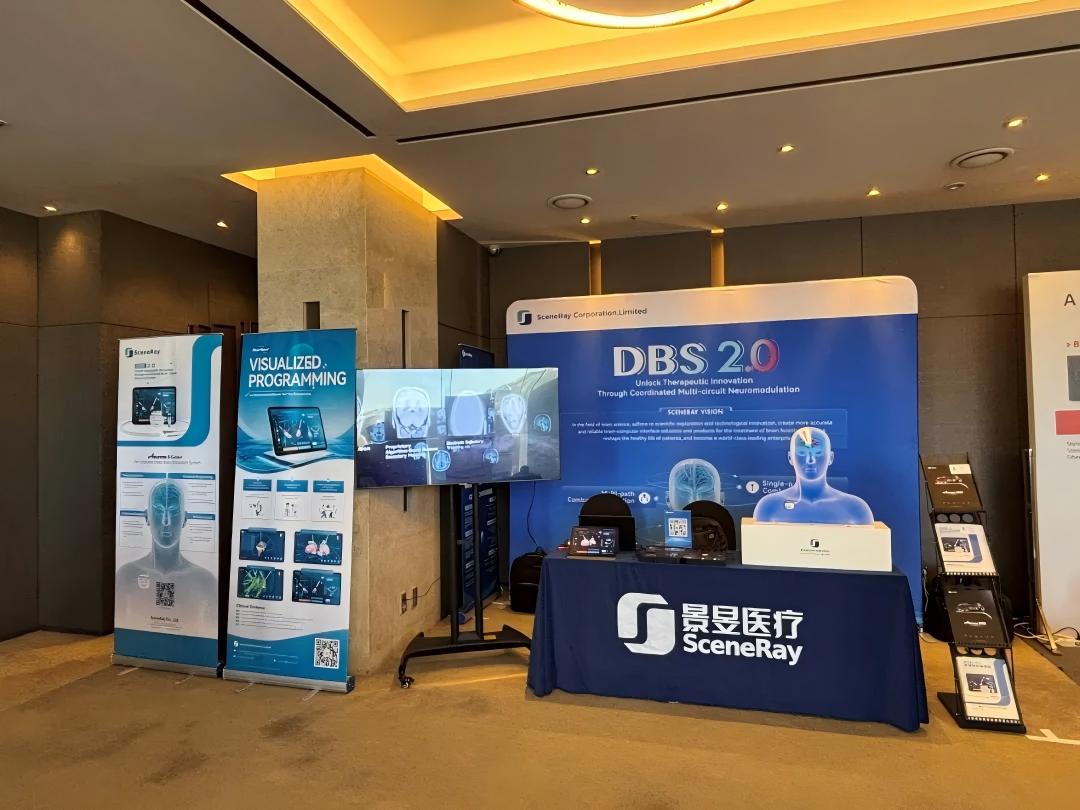
SceneRay's exhibition booth
The agenda of the 2025 ADBS is rich and diverse, covering multiple aspects from fundamental research to clinical application. The meeting on September 11 was abundant in both content and depth. At the Luncheon Seminar at noon on September 11, Ms. Shanshan Mei, Associate Chief Physician from the Department of Neurology, Xuanwu Hospital, Capital Medical University, delivered a wonderful speech titled "Simultaneous HF-STN and ULF-SNr DBS Improves Motor Symptoms and Freezing of Gait in Parkinson's Disease". Her speech focused on alleviating freezing of gait (FOG) in patients with Parkinson's disease (PD) through simultaneous high-frequency stimulation of the subthalamic nucleus (HF-STN) and ultra-low-frequency stimulation of the substantia nigra pars reticulata (ULF-SNr).
Studies have revealed that HF-STN combined with ULF-SNr can simultaneously improve the motor symptoms, alleviate FOG, and enhance activities of daily living (ADL) in PD patients, and the effect is obviously better than that of conventional HF-STN alone. The whole-brain fiber connections in the two volumes of tissue activated (VTAs), calculated based on the stimulation contact parameters of STN and SNr, have shown that there are more fiber connections with the brain in the VTA of STN and more fiber connections with the cerebellum in the VTA of SNr.
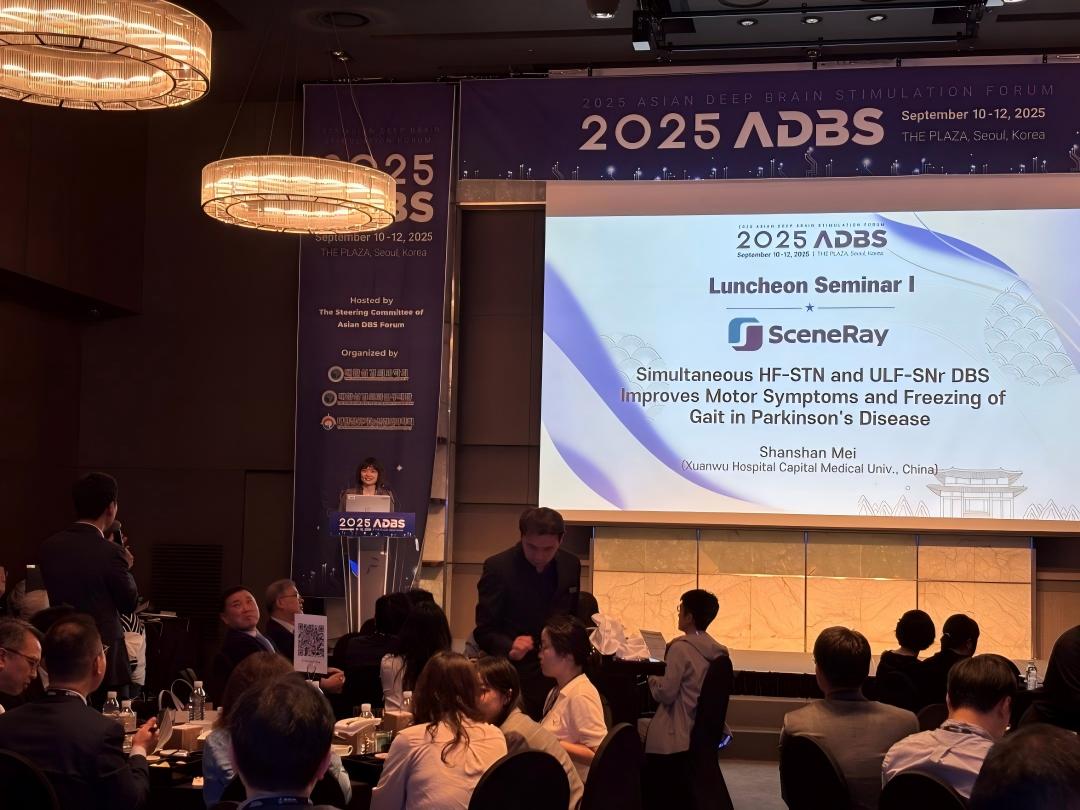
Ms. Shanshan Mei, Associate Chief Physician from the Department of Neurology, Xuanwu Hospital, Capital Medical University, is delivering a wonderful speech
At the Industry Session on the afternoon of September 12, Director Weiran Zhu, Chief Engineer of Technology R&D from SceneRay, presented a keynote speech titled "The Technological Evolution of DBS 2.0: Multi-Circuit Neuromodulation", which was prepared by him together with Dr. Lei Chen, Director of the Clinical Medical Research Department. From the perspectives of clinical application and technological evolution, Director Weiran Zhu explained how to break through the limitations of traditional single-circuit neuromodulation and single target for 4-contact electrode in the treatment of movement disorders and mental disorders, and how to overcome the limited efficacy of traditional DBS by realizing multi-circuit neuromodulation through brand-new products such as 8-Contact Rechargeable Deep Brain Stimulation System and SR1384 System.
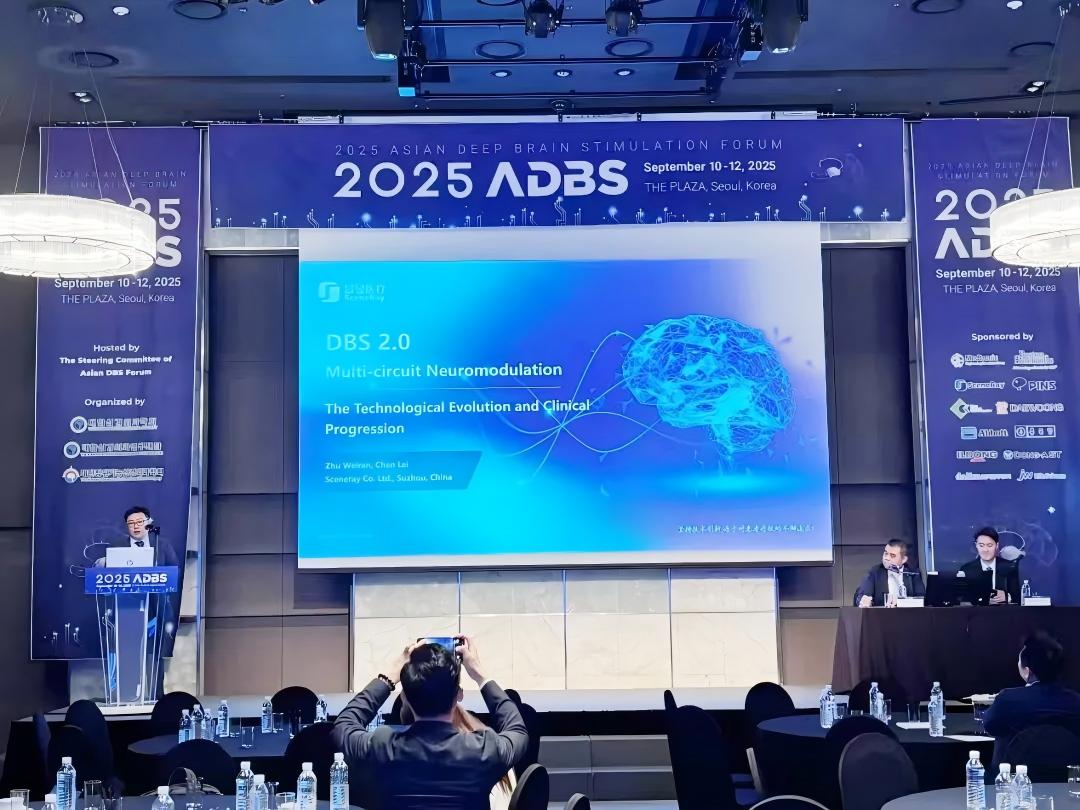
Director Weiran Zhu, Chief Engineer of Technology R&D from SceneRay, is presenting a keynote speech
II. Other Wonderful Presentations at the 2025 ADBS
There are also other wonderful presentations made by multiple experts at the 2025 ADBS. Professor Wei Wang from West China Hospital, Sichuan University, made a presentation titled "Deep Brain Stimulation of the Nucleus Accumbens and Anterior Limb of the Internal Capsule in Obsessive-Compulsive Disorder and Treatment-Resistant Depression: Clinical and Electrophysiological Insights", focusing on the clinical and electrophysiological effects of dual-target treatment of obsessive-compulsive disorder (OCD). Professor Bomin Sun from Ruijin Hospital, Shanghai Jiaotong University School of Medicine, made a presentation titled "Bed Nucleus of the Stria Terminalis-nucleus Accumbens Deep Brain Stimulation for Depression", focusing on the dual-target treatment of depression. Professor Xin Zhang from Huashan Hospital Affiliated to Fudan University made a presentation titled "Dual-target DBS of NAc and ALIC Alleviates Depressive Symptoms in Refractory Bipolar Disorder", focusing on the dual-target treatment of depressive symptoms in refractory bipolar disorder. Dr. Zhitong Zeng from Ruijin Hospital, Shanghai Jiaotong University School of Medicine, made a presentation titled "Effect of High, Low and Asymmetric Frequency Stimulation of the Subthalamic Nucleus in Parkinson's Disease", focusing on the improvement of axial symptoms, limb problems, and motor symptoms of PD patients through 4-contact STN-DBS. Professor Dianyou Li from Ruijin Hospital, Shanghai Jiaotong University School of Medicine, made a presentation titled "PSA Versus STN Deep Brain Stimulation in Tremor-Dominant Parkinson's Diseases: A Randomized, Crossover Trial", focusing on the PSA versus STN target treatment of tremor-dominant PD.
III. Future Prospects: Continuous Innovation and International Cooperation
(I) Technological Innovation: Multi-Circuit Neuromodulation
The 8-Contact Rechargeable Deep Brain Stimulation System, SR1384 System, and StarNavi® Visualized Programming System developed by SceneRay are its core products in the DBS 2.0 era. Relying on multi-target design and innovative extension design, SceneRay has realized more flexible neural circuit intervention and multi-circuit neuromodulation, providing a new treatment idea for complex diseases.
The multi-circuit neuromodulation technology has not only broken through the limitations of traditional DBS technology but also opened up a new path for the innovation of treatment options for neurological diseases and the improvement of patient efficacy.
(II) Clinical Application: Improving the Quality of Life (QOL) of Patients
SceneRay has achieved remarkable efficacy in clinical application. For example, in the treatment of PD complicated with mental disorders, STN + NAc multi-circuit neuromodulation can simultaneously alleviate the motor symptoms and mental symptoms of patients, bringing them greater therapeutic benefits.
The StarNavi® Visualized Programming System, developed by SceneRay, has greatly improved the programming efficiency and efficacy, not only simplifying the complex technology but also making the simple operation precise.
(III) Industry Promotion: Leading the Development of DBS Technology
At the 2025 ADBS, SceneRay highlighted its innovation philosophy "DBS 2.0 Era: Multi-Circuit Neuromodulation". Such a philosophy has broken through the limitations of traditional DBS technology. Relying on multi-circuit neuromodulation, it has provided a new treatment idea for movement disorders such as PD and mental disorders such as OCD.
The wonderful exhibition at the 2025 ADBS has not only made SceneRay win high recognition from all participating experts but also laid a solid foundation for future development. In the future, SceneRay will continue to devote itself to the R&D and innovation of BCI DBS technology, and constantly explore new therapeutic targets and methods to meet the demand of more patients. Meanwhile, SceneRay will also strengthen the cooperation and exchanges with international counterparts to jointly advance the application and development of DBS technology worldwide.
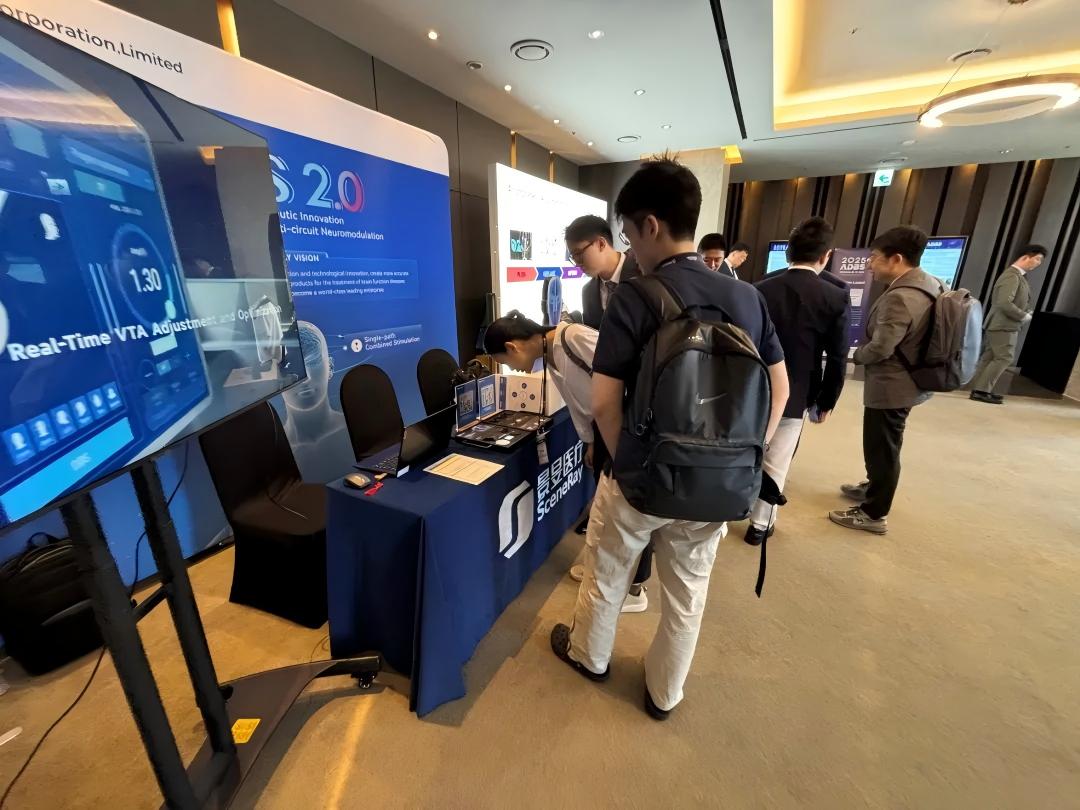
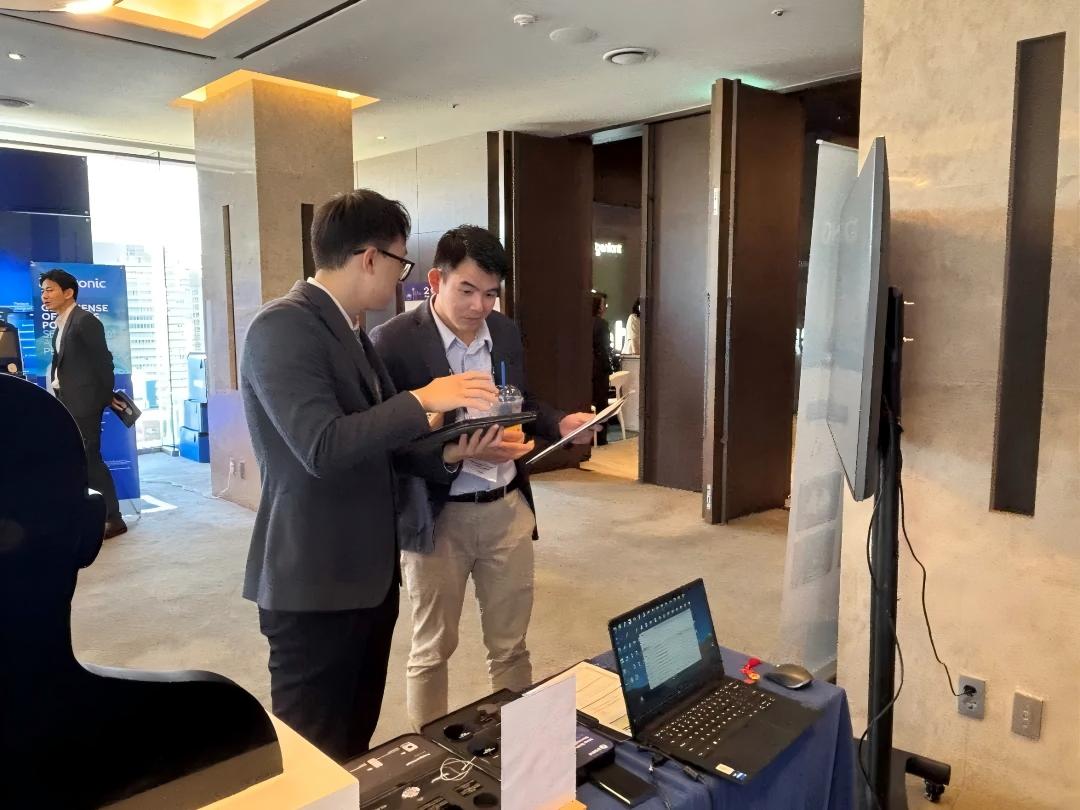
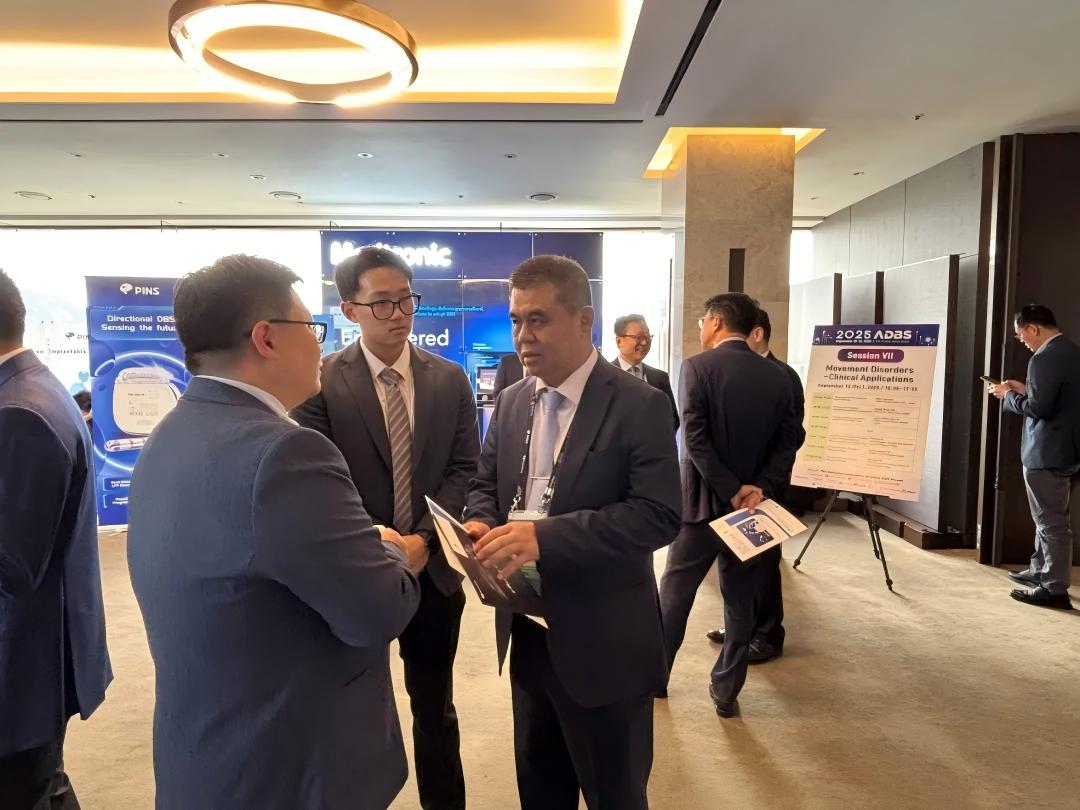
Participating experts and scholars are exchanging at SceneRay's exhibition booth

Telephone:(+86)0512-85662800
Email:info@sceneray.com
Address:3rd Floor, 4th Floor, No. 71 Xinqing Road, Suzhou Industrial Park, 215121 Suzhou City, Jiangsu Province, China